We speak to IOI Corporation’s Chief Sustainability Officer (CSO), Dr. Surina Ismail, to learn more about IOI’s history of sustainability, the unique sustainability-related challenges of the plantation and manufacturing sector, and her thoughts on the sustainability landscape moving forward.
The author is a member of the ACSR Implementation Working Group. These articles are published to provide thought leadership and share experiences. All views expressed in this paper are solely those of the authors and do not necessarily reflect the position of the Securities Commission Malaysia (SC). Any errors are the responsibility of the authors alone.

A Legacy of Sustainability Leadership
IOI Corporation Berhad (IOI) strives to be at the forefront in both producing and sourcing sustainable palm oil, through sustainable management of their oil palm plantations as well as responsible sourcing throughout their global palm oil supply chain.
As a founding member of the Roundtable on Sustainable Palm Oil (RSPO) since 2004, IOI Corporation established strong sustainability foundations that continue to guide its operations today. Dr. Surina shared that “IOI’s reporting journey comes from a sustainability journey, which has been embedded in our operations long before national reporting requirements were introduced”.
The company's early efforts in 2015 to measure their greenhouse gas (GHG) emissions baseline stemmed from RSPO’s requests for baseline emission figures. This baseline effort, which took three years, now provides IOI with a strong foundation for implementing newer frameworks like the Task Force on Climate-Related Financial Disclosures (TCFD), the Global Reporting Initiative (GRI), and the IFRS® Sustainability Disclosure Standards issued by the International Sustainability Standards Board (ISSB).
Since 2020, IOI has maintained rigorous emissions monitoring as part of its Enterprise Risk Management framework, targeting a 40% reduction by 2025 against the 2015 baseline. “You can’t capture what you can’t measure”, emphasised Dr. Surina, which explains the importance of data collection to identify the Group’s strategic thrusts moving forward. As of FY2024, IOI reported achieving a 42% reduction in emissions, placing them ahead of their 2025 target.
Organisational Integration and Governance
Dr. Surina attributes IOI’s ambition and progress with sustainability to a strong culture of sustainability embedded from the operational level, up to the Board level. “Yes, it’s both important and helpful to have the Group Managing Director and Chief Executive’s (GMD) backing. But we are just at the corporate level, and there are a lot of layers down. For full implementation, sustainability cannot simply be a box-ticking exercise -- we have to get everyone on board”.
To be precise, Operations’ involvement together with cross-functional collaboration resides at the core of the Group’s efforts to integrate sustainability across the organisation. Dr. Surina discussed the role of the IT department in building digital platforms to streamline data collection, calculation, and consolidation (IOI ESG Digitalisation Platform), as well as a platform for employees to report grievances (IOI Mesra App). To meet their sustainability targets and reporting requirements, Dr. Surina’s team engages Human Resources for social initiatives and talent management, Communications to decide on the best way forward for communicating disclosures, Finance to ensure connectivity with financial statements, and Investor Relations to understand what information their stakeholders are looking for. This whole-of-organisation approach ensures that sustainability does not reside as a stand-alone department, but is top of mind for the entire organisation.
Dr. Surina admitted that it has been challenging to move between GRI and IFRS S1 and S2 reporting requirements, noting that “the narrative is there, but the question is how you marry it with the financial statement. That’s where it becomes really important to have the Finance and Sustainability people seated together”. IOI has established a comprehensive governance structure through its Climate Change Action Financial Disclosure Committee, chaired by the Group Chief Financial Officer and advised by the CSO, which also includes project leads from relevant departments such as Finance, Sustainability, and Operations. This Committee complements the broader Sustainability Governance efforts adopted by the Group which, as seen in Figure 1, emphasises clear lines of accountability, well-defined roles, and responsibilities.
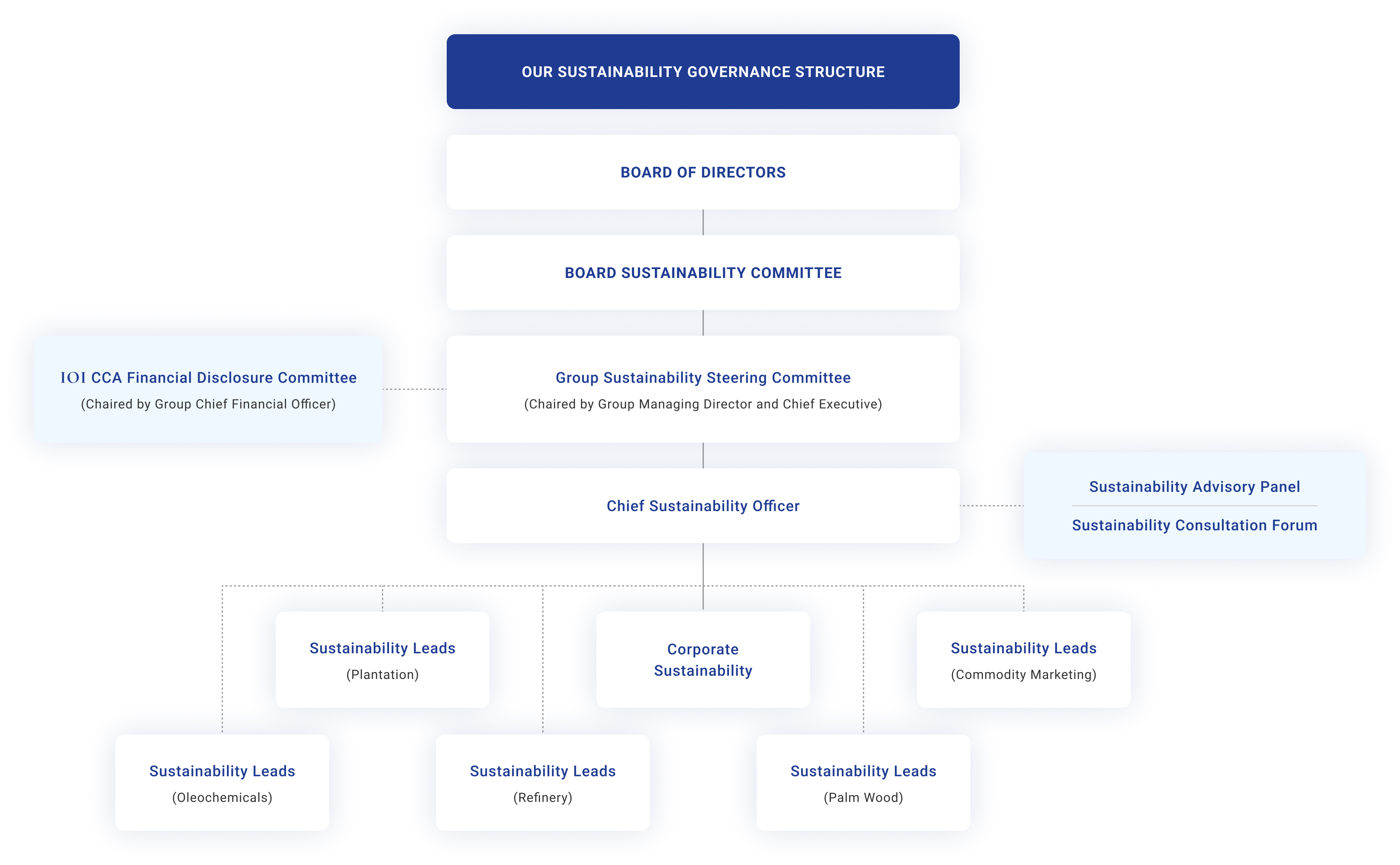
Figure 1. IOI Corporation’s Sustainability Governance Structure.
Innovation and Investment in Climate Solutions
IOI’s sustainability commitments don’t just remain in policy documents and commitments; the Group have translated these commitments into tangible financial investments. In 2024, IOI allocated RM342.6 million in capital expenditure for climate change mitigation, a 75% increase from RM195.2 million in 2023. The majority of their sustainability investments focus on technology-based solutions, including methane captures, co-generation, and biomass facilities.
The Group currently operates 10 methane capture facilities, with 4 additional facilities under development. “Capital, such as the co-generator, significantly improve operational energy efficiency, but it’s an investment. We place a strong emphasis on circularity, where the waste from one aspect of our operations is used to power another”, underpinning the Group’s strategic investments for waste management and energy generation.
Looking Forward: An Evolving Sustainability Landscape
Due to the dynamics of sustainability reporting, particularly with the implementation of ISSB standards and increasing focus on nature-related disclosures such as the Taskforce on Nature-related Financial Disclosures (TNFD), IOI recognises the bar for meaningful corporate action will continue to rise. However, Dr. Surina also emphasised that efforts to financially disclose nature-related matters must be meaningful additions, and that we must have the necessary related expertise to do it. She also highlighted the need for greater clarity in quantifying nature-related impacts, specifically, the development and adoption of globally acceptable parameters to mitigate the risk of greenwashing.
Looking ahead, the Group is intensifying its efforts surrounding rehabilitation and reforestation with the aim of increasing their carbon sequestration and enhancing biodiversity and its ecosystem. Despite changes in the global operational environment, as well as shifting regulatory and disclosure requirements, IOI reaffirms its unwavering commitment to sustainability and responsible environmental stewardship.


