Building Transparency, Trust and Sustainable Change for Malaysia


Mobilising Resources Towards Meaningful Social Impact

With the launch of the Social Exchange Pilot Programme 2025 (SEPP25), the SC organised five knowledgesharing sessions for the wider NPO community. These sessions covered essential topics such as organisational governance, internal controls, fostering and data management for effective storytelling. Prominent speakers included leaders from Yayasan MySDG, Khazanah Nasional, Yayasan Chow Kit, Global Environment Centre and Thoughts In Gear. In collaboration with the Malaysian Institute of Accountants (MIA), the SC also hosted two additional sessions – one closed-door engagement for SEPP25 pilot partners and selected NPOs and a public session with the wider community. Topics shared include bookkeeping, governance and tax related matters.

These engagements also generated valuable data to support the development of the SEP Guidelines, which were published on 19 September 2025. To complement these engagements, the SC conducted surveys and the feedback provided critical insights into the current state of NPOs, highlighting key challenges and capacity gaps. These findings reaffirm the importance of the SC’s role in driving institutional development and underscores the need to equip NPOs with stronger governance, compliance and reporting capabilities for the forthcoming Social Exchange.

Concurrently, the SC undertook strategic engagements with key ecosystem stakeholders, including the MOF, Lembaga Hasil Dalam Negeri Malaysia (LHDNM), MIA, Registry of Societies (ROS), World Bank India and major foundations and funders. These engagements have been pivotal in informing the framework and forthcoming launch of Malaysia’s first Social Exchange – a landmark initiative designed to strengthen the social finance ecosystem and advance the nation’s sustainability objectives.

Deepening Cross Agency Collaboration on Risk Governance and Market Resilience

The SC further collaborated closely with BNM through various targeted platforms aimed at strengthening joint oversight and enhancing risk preparedness across the financial system. These engagements complement the SC’s macro-level work under the MRFG and support deeper coordination on crosscutting risks, operational resilience and emerging vulnerabilities. Within this broader collaborative framework, the SC and BNM also convened dedicated bilateral sessions to advance shared priorities in risk management and regulatory alignment.

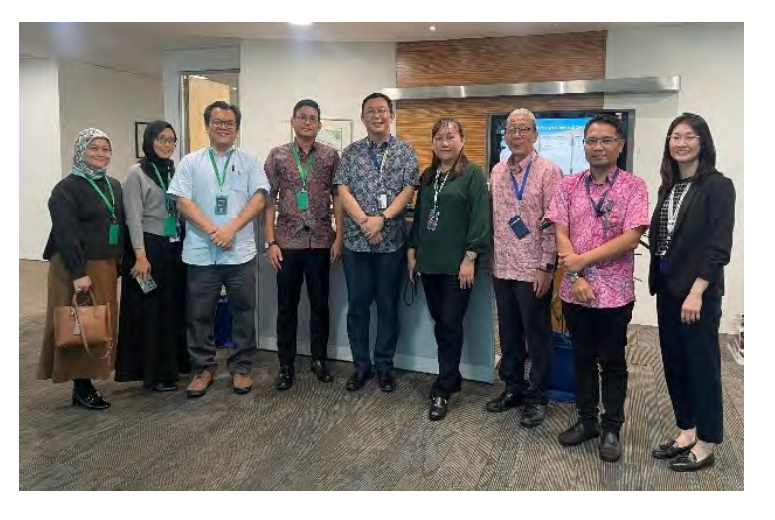
BNM visited the SC on 19 June 2025, providing a platform for both organisations to engage in focused dialogue on enterprise risk management and operational resilience.

Throughout the session, both organisations deliberated on key priorities, including improving risk governance, enhancing organisational resilience and strengthening the risk culture within their institutions. Discussions also covered critical areas such as data security, technology adoption, governance frameworks, talent development and the incorporation of emerging risks into organisational practices. The session concluded with a mutual commitment to sustain collaboration and knowledge sharing, reinforcing the SC’s role in driving regulatory coordination and supporting the long-term stability of Malaysia’s financial system.

Mitigating Systemic Risks And Promoting Financial Stability

Enhanced Risk Governance Framework

In 2021, the SC-wide risk governance framework was enhanced as part of an overall initiative to have an effective integrated and predictive risk surveillance to maintain regulatory agility.

The structured risk governance framework integrated the wider spectrum of risks such as technology, cyber and conduct risk at the SC’s Systemic Risk Oversight Committee (SROC) and Accounting, Market and Corporate Surveillance Committee (ACMS).


Intensified surveillance

The SC continued to intensify its surveillance of systemic risk to maintain market resilience and stability. Regular SROC engagements were held to deliberate concerns emanating from various segments across the capital market. Domestic equity and bond market, foreign fund flows and trade participation continued to be monitored closely for potential stress points. 

In addition, measures and economic stimulus packages introduced by the government to weather the impact of COVID-19, market trading conduct and the financial position of listed companies were among the focus areas for discussion.


Thematic assessments

The SC also conducted thematic assessments covering investors’ fund flows, the position of firms, and policy decisions to ascertain the possible impact on the capital market. In 2021, the SC reviewed and enhanced its crisis indicators on potential emerging risks in the
capital market. 

The enhanced crisis indicators provided a reference point for escalation to SROC when the identified indicators and triggers materialised and ensured prompt response to manage and prevent any issues of concern that might lead to a systemic crisis.


Joint regulatory discussions

In 2021, the SC conducted frequent joint regulatory discussions with other authorities such as Bank Negara Malaysia (BNM) and Labuan Financial Services Authority (Labuan FSA) to identify systemic risk concern areas within the financial and capital markets in Malaysia.


Monitoring of various components of the capital market

The SC continued its efforts to undertake a methodological and integrated approach to ensure any potential systemic risk was being monitored, mitigated, or managed. Figure 1 highlights the findings from the following risk assessments on the various components of the capital market.

Related Links
© Copyright Securities Commission Malaysia | Contact UsDisclaimer | The site is best viewed with minimum resolution of 1280x1024
Follow us on:
Ooops!
Generic Popup